

Best Cat Litter Types for Different Cat Households
Picking the best type of cat litter can be more of a hassle than it seems for such a routine buy. Best Cat Litter Types for Different Cat Households is really about matching the litter to the way people and cats actually live together. Some cats scatter litter all over the floor, which gets old quickly. Another may refuse to use anything scented. In a multi-cat home, even a solid litter can start to smell by the second or third day. That is why this comparison helps. Odor isn’t the only thing that matters with litter. It also changes how long cleanup takes, how much dust ends up in the air, how far litter gets spread through the house, what the monthly cost looks like, and whether a cat is comfortable using the box regularly.
This guide looks at four real litter brands, each standing in for a common litter type: silica crystal, corn-based natural, lightweight clay, and wood-based natural. Each one tends to suit a certain kind of household better. Since no one option works perfectly for everyone, the point here is to match the litter to the home, the cat, and the daily routine that can realistically be maintained.
For a simple, practical look at litter care, odor control, and daily cat hygiene, True Pet Market also shares pet care education, including cleaning habits and basic litter-box upkeep, to help people get more out of whatever litter they choose.
What we reviewed for Best Cat Litter Types for Different Cat Households
- PrettyLitter
- World’s Best Cat Litter
- Cat’s Pride
- ökocat
Four litter types you’ll want to compare
1. PrettyLitter
At a Glance
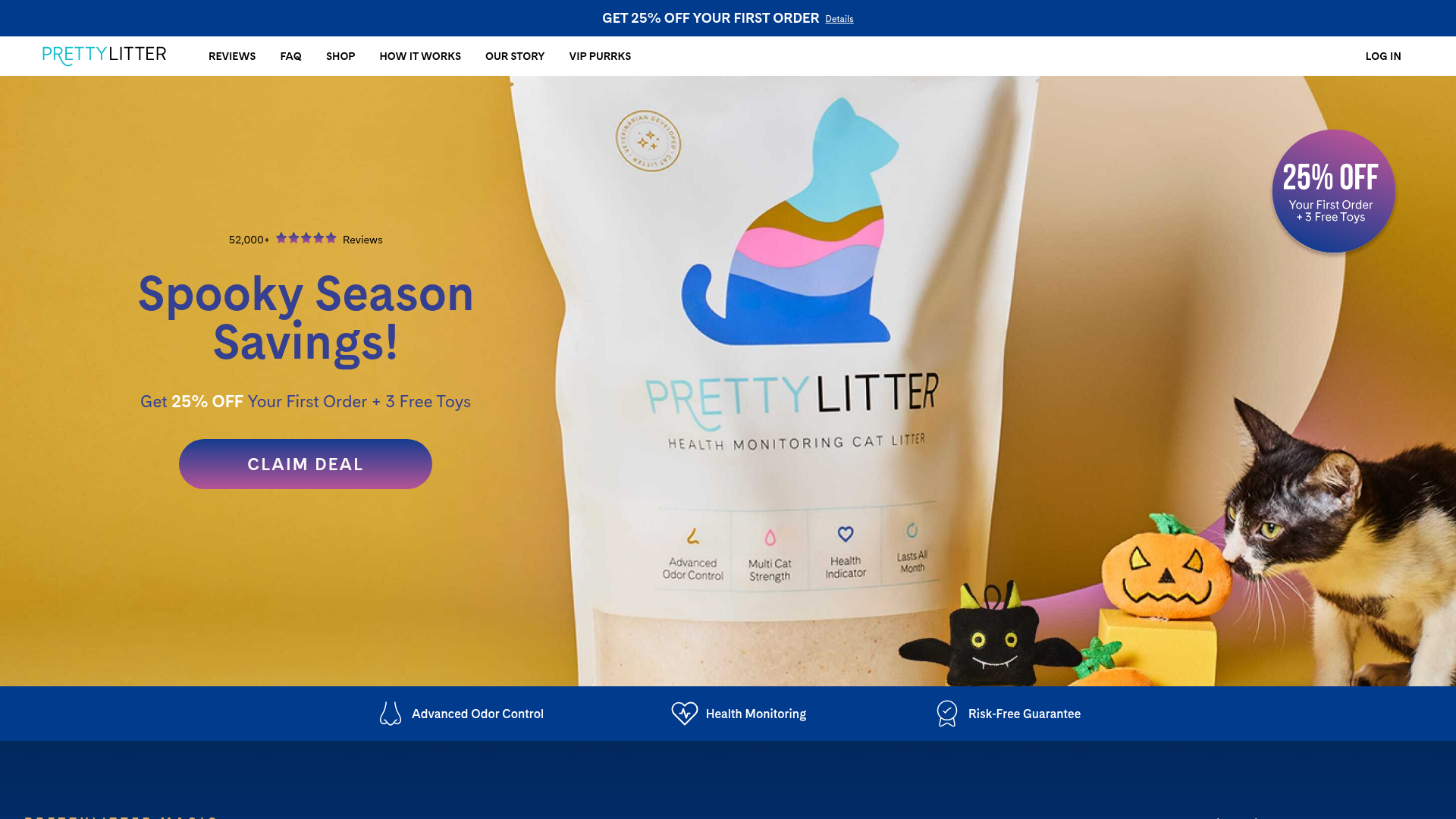
PrettyLitter is a silica crystal litter that’s mostly known for its health-monitoring feature. The crystals change color when they pick up certain urine changes, which may help owners notice possible issues earlier, and that can be really useful in day-to-day care. It’s also lightweight and very absorbent, so it works well for smaller homes, apartments, or anyone tired of hauling heavy clay jugs up the stairs. That part is practical in a very real way. The downside is the price. It sits on the more premium end of the group, and some cats just don’t like the crystal texture right away, or sometimes at all.
Core Features
- Silica crystal litter formula
- Color-changing design for health monitoring
- Lightweight compared with many clay litters
- Strong moisture absorption
- Subscription model available
- Research also surfaced non-clumping and clumping options
Pros
- Health-focused design: The color-change feature is what sets it apart, and for most people, that’s the main draw.
- Easy to carry: Handy in apartments, on stairs, or if you change litter often.
- Good absorbency: Silica crystals often handle moisture well.
- Less bulk: It takes up less storage space than many heavier litters, whether that’s in a closet, laundry area, or under a sink.
Cons
- Higher price: It’s pricier than a lot of standard litters.
- Texture can be divisive: Some cats like a softer texture that feels more like clay.
- Value depends on routine: The subscription is convenient, but mostly when your actual usage lines up with the plan.
Who It’s For
PrettyLitter tends to work well for single-cat homes, apartment dwellers, and owners who want a bit more peace of mind from litter box monitoring. It’s also a practical choice for people who want convenience and lighter bags, especially if they have to carry litter a lot. If a cat is picky about texture, it’s usually smarter to introduce it gradually so there’s time to adjust.
Unique Value Proposition
Most litters focus on odor, clumping, or dust control, but PrettyLitter is different because it adds health monitoring to a basic household product. It doesn’t replace a vet visit, of course. Still, it gives attentive owners one more thing to keep an eye on, especially if they spot a color change while scooping or cleaning the box. For the right household, that extra awareness can make the higher price easier to justify.
Pricing: For a single-cat household, it’s about $24/month for non-clumping and $29.99/month for clumping based on surfaced 2026 pricing references.
Website: https://www.prettylitter.com
2. World’s Best Cat Litter
At a Glance
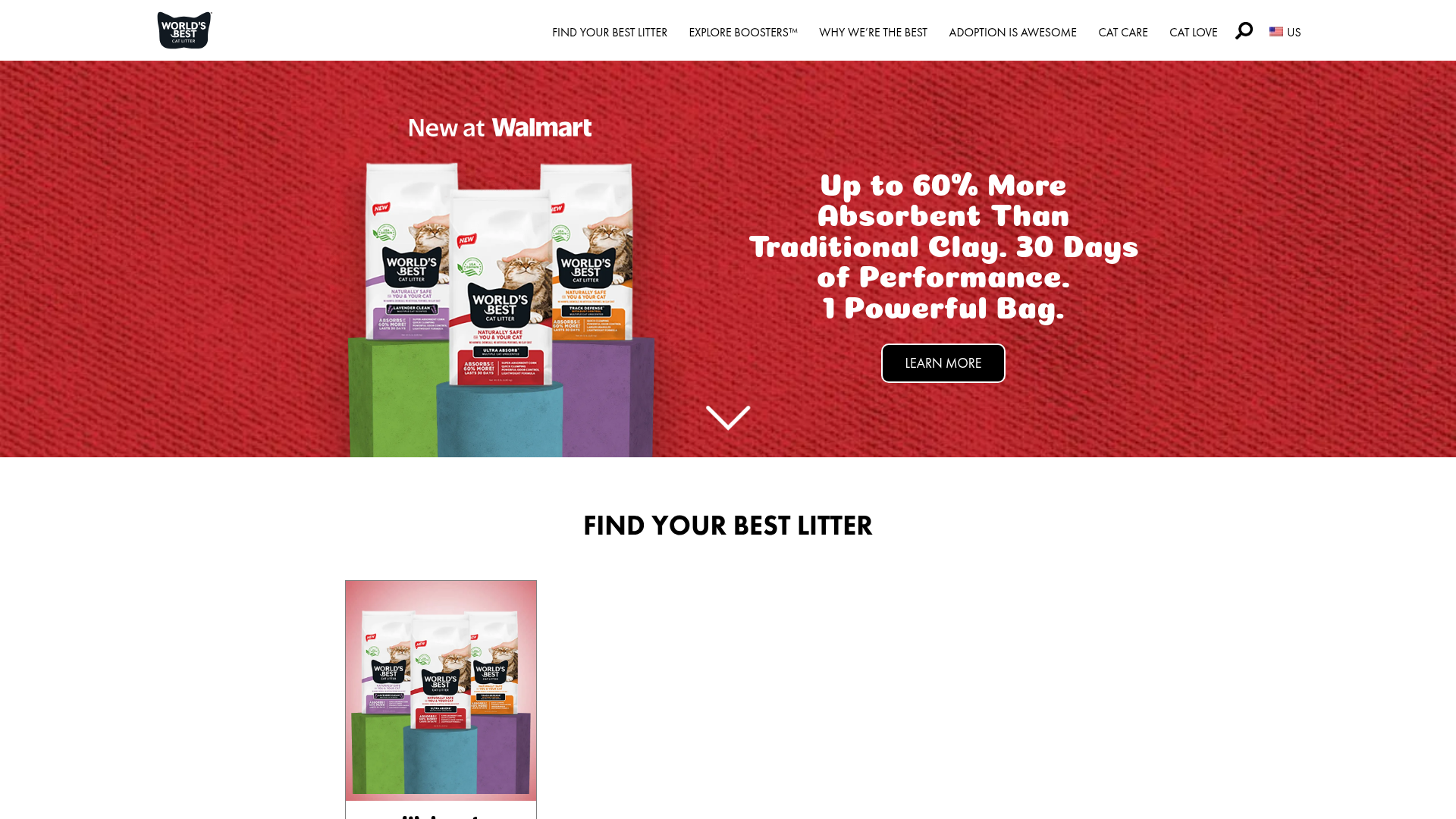
World’s Best Cat Litter is a corn-based natural litter that’s well known for clumping fast and keeping dust lower. It lands in a practical middle ground for people who want a natural litter without moving to something that feels too specialized or tricky to use. The formula is known for easy scooping, and there are several home-focused options, including versions made for low tracking, odor control, multi-cat homes, and similar needs. The main downside is price, since it costs more than bargain clay litter. Also, natural textures don’t always work for every cat.
Core Features
- Corn-based natural litter
- Quick-clumping formula
- 99% dust-free claim surfaced in research
- Variants for multi-cat homes
- Variants for odor control
- Low-tracking options
- Flushable messaging appears in retail listings, with local plumbing caution
Pros
- Natural material: A good pick for owners trying to avoid standard clay litter.
- Fast clumping: It clumps quickly, so daily scooping tends to be easier and a bit less messy.
- Solid variety: The different formulas can suit different homes and litter box setups pretty well.
- Strong brand recognition: You can usually find it online or in stores, which makes comparison shopping simpler too.
Cons
- Costs more than budget clay: For some households, the price difference is noticeable.
- Not every cat likes corn texture: Switching may take time, and some cats probably won’t like it right away.
- Flushable claims need caution: Local plumbing and septic rules still matter, so that’s worth checking first.
Who It’s For
This is a good fit for general households looking for a natural cat litter with familiar performance. It works especially well for owners who want quick clumps, lower dust, and a brand that gives them a few versions to choose from. It can also be a good option for multi-cat homes when that specific multi-cat formula is the one being used. Overall, it’s a pretty simple fit.
Unique Value Proposition
World’s Best Cat Litter does a good job of combining natural ingredients with the kind of convenience people usually expect from more mainstream litter. Some eco-focused litters ask owners to put up with weaker clumps or cleanup routines that feel less familiar day to day. This one is made to feel easier to use and more familiar overall, especially during regular scooping and litter box maintenance. That’s probably why it sits in a comfortable middle spot for households trying to move away from clay without making everyday cleanup feel harder, which is often the biggest concern.
Pricing: Retail listings surfaced in research showed about $19.99 list price or $19.15 discounted for a 15 lb bag, and about $45.13 for a 32 lb bag.
Website: https://www.worldsbestcatlitter.com
After comparing publicly surfaced pricing and package sizes, the cost picture looks like this:
| Brand | Litter Type | Publicly Surfaced Price | Package/Plan Size | Founded |
|---|---|---|---|---|
| PrettyLitter | Silica crystal | $24/month | Single-cat subscription | 2015 |
| PrettyLitter Clumping | Silica crystal | $29.99/month | Single-cat subscription | 2015 |
| World’s Best Cat Litter | Corn-based natural | $19.99 | 15 lb bag | , |
| World’s Best Cat Litter | Corn-based natural | $45.13 | 32 lb bag | , |
| ökocat | Wood-based natural | $31.99 | 11.7 lb bag | , |
Those numbers are useful for rough comparisons, but they don’t tell the whole story. A litter with a higher upfront cost may also last longer, track less around the litter box, or reduce how often full-box changes are needed. So while price matters, it usually isn’t the only thing worth looking at in a real home. For more detail on long-term value, Why Cheap Cat Litter Often Costs More Later looks at how lower upfront pricing can still create extra cleanup and replacement costs.
3. Cat’s Pride
At a Glance
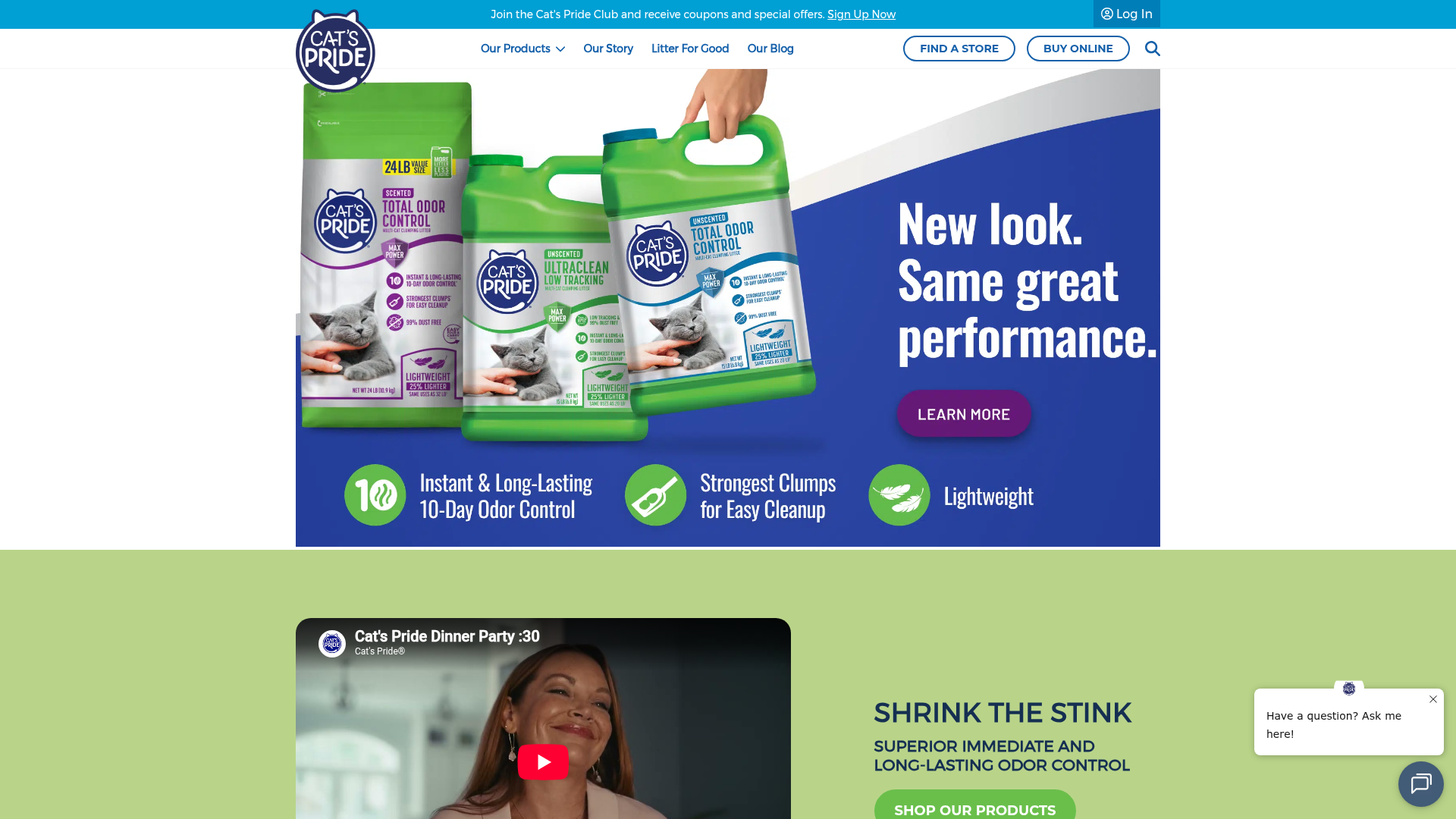
Cat’s Pride is a lightweight, clay-based clumping litter for owners who want familiar performance without the hassle of dragging around heavy tubs or boxes. Research found claims that some formulas are up to 50% lighter than traditional scoopable litter, and that often feels like a real everyday benefit. It can make a lot of sense in multi-box homes, for older pet owners, or for anyone regularly carrying litter up the stairs, since that effort adds up fast. Some formulas also come in unscented versions and are described with hypoallergenic positioning, although it’s still clay, so it probably isn’t the right fit for shoppers focused only on biodegradable materials.
Core Features
- Lightweight clay clumping litter
- Some formulas are described as up to 50% lighter
- Unscented options are available
- Some formulas have hypoallergenic positioning
- Tight clumps for easier scooping
- Widely available in retail stores
- Litter for Good donation program
Pros
- Easy to lift: This is one of the most noticeable day-to-day benefits. It sounds simple, but it’s genuinely helpful.
- Familiar clay feel: A good match for cats that already do well with clay litter.
- Options for sensitivities: Unscented choices may be helpful in more sensitive households, especially when strong fragrance is an issue.
- Good availability: It’s often easier to find than smaller niche litter brands.
Cons
- Pricing wasn’t clearly surfaced: That makes exact value harder to compare from official snippets alone, so it’s not always easy to tell how it compares right away.
- Still clay-based: Not the best option for owners who only want plant-based or wood-based litter.
- Lightweight doesn’t always mean less tracking: A mat near the box may still be a good idea.
Who It’s For
Cat’s Pride fits best in homes looking for a practical, easy-to-handle clay litter with solid odor control and simple cleanup. It can be especially useful for older owners, busy families, and homes with multiple boxes, where lifting and pouring convenience often matters a lot. That’s everyday practicality, and usually the kind of thing people notice first.
Unique Value Proposition
Cat’s Pride stands out by taking a very familiar litter style and making one routine task easier: handling the weight. For a lot of owners, that day-to-day convenience matters more than ingredient trends. If a cat already does well with clay and the goal is to make shopping, lifting, refilling, or even moving the box easier, this looks like a really practical pick. It doesn’t try to reinvent litter, but it does make a common routine a little easier.
Website: https://catspride.com
4. ökocat
At a Glance
ökocat is a natural litter made from wood, with an obvious eco-friendly angle. If you’re trying to get away from traditional clay but still want decent odor control and clumping, it’s usually a good fit. It lands in a fairly practical middle spot. Wood litter often draws owners who want renewable materials, less dust, and a more natural smell around the litter box, which some people really do prefer. The biggest tradeoff, though, is often the transition itself. Cats that are used to clay may need a little time to adjust, and in most cases that part can’t be rushed. Some owners also find that wood litters track differently across the floor outside the box or simply feel less familiar when scooping.
Core Features
- Wood-based litter
- Natural odor control
- Clumping options available
- Sustainability-focused positioning
- Biodegradable and recyclable messaging surfaced in research
- Variants for low tracking, plus options for multi-cat homes
Pros
- Eco-friendly appeal: Works especially well for homes that care about sustainability.
- Natural odor control: Wood can help with odor without a heavy perfume scent.
- Lower-dust positioning: Could be useful for some households with sensitivities.
- Clay alternative: A solid option for owners ready to switch materials.
Cons
- Official homepage verification was less clean in research: This lowers transparency somewhat, especially compared with brands that make details easier to confirm.
- May feel unfamiliar to cats: The transition can take patience.
- Retail pricing varied: Official pricing wasn’t clearly surfaced.
Who It’s For
ökocat fits best in eco-conscious households, for owners trying to avoid clay, and for people who prefer natural litter materials. It can also work well for homes that want a lower-dust option, as long as the cat adjusts to the wood-based texture. Not every cat will, and that’s probably the main thing to keep in mind here.
Unique Value Proposition
A lot of natural litters lean on what they don’t have: no clay, no strong scent, less dust. ökocat has a clearer wood-based identity, and that lines up well with sustainability goals. If someone wants their litter choice to match broader household values in a real, everyday way, that may make it more appealing than standard mainstream options, especially when renewable materials matter. It’s a simple difference, but still a meaningful one.
Pricing: A third-party retail result surfaced at about $31.99 for an 11.7 lb package.
Website: https://www.okocat.com
How these litter types compare in real life
The biggest differences usually come down to the material, how it handles everyday use, and how well it works in your home. That’s usually what matters most here.
- Silica crystal makes sense when you need something light that absorbs moisture well, especially in smaller spaces.
- Corn-based natural is an easy all-around pick if you want a natural litter that still feels simple to use.
- Lightweight clay can be a good match if your cat already prefers clay and you want something that’s easier to carry.
- Wood-based natural fits eco-minded homes, especially if you’re okay with giving your cat a little time to adjust.
If cost or convenience matters most, Cat’s Pride and World’s Best Cat Litter will often feel more familiar in daily use. PrettyLitter is different because you’ll likely notice its health-monitoring feature through color changes. And if an eco-focused setup is the priority, ökocat is a good fit for that kind of home.
Best Cat Litter Types for Different Cat Households in everyday use
There isn’t one best cat litter for every home, but there’s probably a better match for your setup. PrettyLitter is the premium choice for health-focused single-cat homes that want a lightweight formula and don’t mind the higher price, and that really is the main drawback here. It’s a more expensive option.
For homes that want fast clumping and a familiar daily routine, World’s Best Cat Litter is a strong natural all-around choice. Cat’s Pride makes sense for owners who want easier lifting and cleanup, along with a clay texture many cats already know and accept, which often helps make the switch easier. ökocat is a good fit for eco-minded homes looking to use less traditional clay. It’s easy to use, works well, and does what you need.
If your cat is picky, it’s usually best to stay close to the texture they already use, then make the switch little by little. That can make things easier on both you and your cat.
Make your litter choice work better at home
Even the best litter can be disappointing if the setup isn’t right. Put a great litter in a tiny box, a busy hallway, or a spot that doesn’t get cleaned well, and you can still end up with odor, mess, and box avoidance, which is honestly frustrating. So it usually works better to match the litter to how a home really works, instead of just picking whatever sounds best on the label.
For example, in a small apartment, a lightweight and very absorbent option like PrettyLitter will probably make more sense. A busy family with two cats or more may do better with a fast-clumping formula from World’s Best Cat Litter, since that can mean less scooping work from day to day. Different homes usually need different things. Some people may feel better with a familiar, easy-lift clay like Cat’s Pride. An eco-conscious home may be happiest with ökocat, especially when the switch happens slowly by mixing the old litter with the new one over several days so the cat can adjust more easily.
For additional cleanup guidance, How Often Should You Change Cat Litter? and How to Choose Cat Litter With Less Dust and Odor both cover practical maintenance habits that can make daily litter box care easier.
Small adjustments that improve litter box results
Sometimes the biggest improvements come from small changes rather than buying a completely different litter. A larger litter mat, more frequent scooping, or moving the box away from loud appliances can change how well a litter performs day to day. Additionally, cats that avoid covered boxes may suddenly use the box consistently once the top is removed.
Box placement matters more than many people expect. A litter that controls odor well can still struggle in a cramped laundry room with poor airflow. Similarly, low-dust litter can still create mess if the box sits in a high-traffic area where litter gets kicked around constantly. These small details tend to shape daily cleanup more than advertising claims.
In homes with older cats, softer textures are sometimes easier on sensitive paws. Meanwhile, younger active cats may scatter almost any litter outside the box if they dig aggressively. Matching litter style with behavior often matters more than choosing whatever product currently has the loudest marketing.
True Pet Market is most helpful here as a guide, not as a brand in this comparison. That keeps the advice simple and practical. For easy tips on litter box hygiene, odor control, and choosing cat supplies with fewer regrets, visit this pet care resource. The goal is a cleaner, calmer routine your cat will actually stick with, and you’ll probably notice a difference pretty quickly.
Frequently asked questions
What matters most when choosing a cat litter type?
What matters most is what texture your cat will actually use, how much odor control you need, how dusty it is, how much it tracks, and whether it’s easy for you to lift and scoop. And the number of cats in your home matters too. A single-cat home can use a premium specialty litter. A multi-cat home needs stronger clumping, better odor control, and a cost that’s easier to handle.
How can I tell if a litter is actually working well?
Good litter controls odor between scoops, makes manageable clumps when it should clump, and doesn’t create too much dust or tracking. That’s the basic idea. Your cat also needs to use the box consistently. If a litter smells fine to you but your cat starts avoiding the box, then it isn’t the right one.
How much should I expect to spend on cat litter?
Costs vary by type. For this roundup, public research showed about $19.99 for a 15 lb bag of World’s Best Cat Litter and around $24 to $29.99 per month for PrettyLitter subscription options for one cat. Clay options can cost less. What you actually get for the money comes down to how long the litter lasts and how often you need to do a full change.
How long does it take to know if a new litter is a good match?
It usually takes about one to two weeks. You’ll know it’s going well if your cat settles in fast, uses the box like normal, and there’s less odor or cleanup is easier. To make the switch easier, do it gradually rather than changing to completely new litter overnight.
Which litter type is best for multi-cat homes?
In homes with more than one cat, litter usually works best when it clumps fast, keeps odor under control, and feels familiar to them. That’s why clumping litter made from corn or clay is easier to handle than more niche options. If you’re trying to pick a litter and get the litter box set up, True Pet Market has practical cat care content to help create a cleaner, easier routine.
Are natural cat litters always better than clay?
Not always. Natural litters can be a great choice if you want renewable materials, lower dust, or less reliance on clay, but they’re not better for every cat. Some cats simply like the feel of clay better. And litter only works if your cat will use it. The best choice balances your values, your cat’s comfort, and the kind of cleanup you’re actually dealing with.


