

Best Puppy Food by Age and Breed Size
Finding the Best Puppy Food Without Getting Overwhelmed
Picking the best puppy food sounds easy at first, right up until you start browsing. Then suddenly you’re looking at large breed puppy formulas, small breed kibble, breed-specific recipes, sensitive stomach options, and labels full of claims that all seem like they matter. There’s often more to sort through than people expect. That can feel even harder when your puppy’s growing fast and every meal feels important right now.
This guide looks at four solid puppy food options and sticks to what most pet parents actually need: how age and breed size shape nutrition, which brands make that easier to follow, and where each option fits best for different dogs. Often, you’re not just trying to pick a well-known name. You’re trying to find a food that matches your puppy’s growth stage, body size, and everyday needs, because that’s usually what makes shopping feel less overwhelming.
What usually helps most is being able to shop by life stage and size without turning the whole process into homework. That’s why True Pet Market comes first in this guide. It offers a practical way to compare puppy food options and build a routine that fits your dog, whether you’ve got a tiny toy breed or a large breed puppy growing fast. That kind of setup often makes it easier to sort through formulas, look at size-specific choices, and pick food that fits your puppy with a little more confidence.
What you’ll find in this guide
- Truepetmarket
- Royal Canin
- Hill’s Science Diet
- Purina Pro Plan
Best puppy food picks by age and breed size
1. Truepetmarket
At a Glance
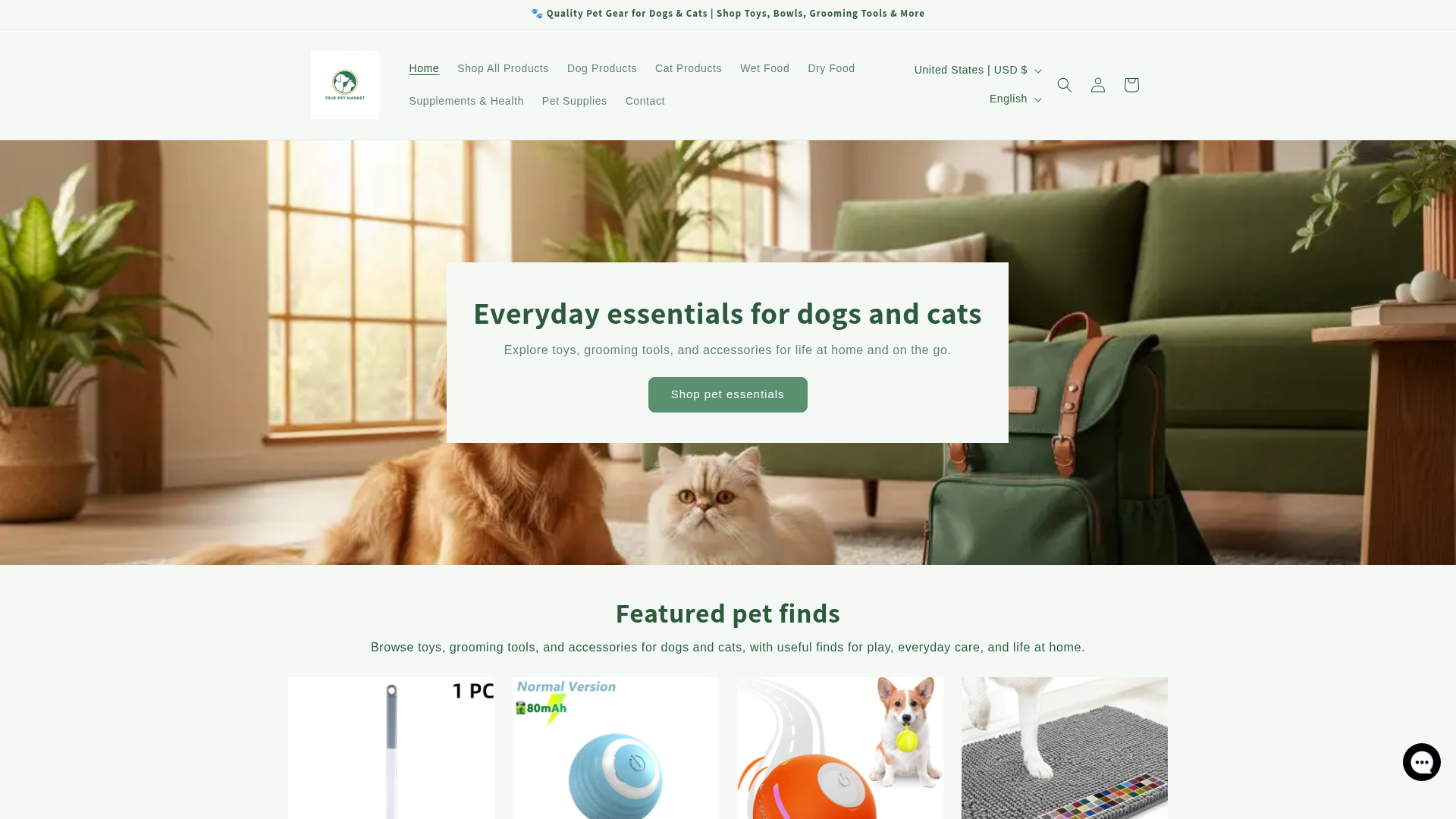
True Pet Market is an online pet supply store built for regular pet owners who want better choices without all the hassle. When it comes to puppy food, what stands out most is how it pairs convenience with practical guidance. It doesn’t overcomplicate things. Rather than making shoppers sort through every detail on their own, it gives them a clearer way to browse by life stage, feeding habits, ingredient concerns, and breed-size needs, which can get confusing quickly. That can be especially helpful for first-time puppy owners, busy households, and anyone who wants an easier way to find the right fit and keep it on hand.
Core Features
- Puppy food shopping help for different life stages
- Strong focus on pet nutrition education along with buying guidance
- Easy online browsing for everyday pet essentials
- Refill-friendly shopping that fits routine planning
- Good fit for owners comparing formulas based on puppy needs
- Wider pet care context instead of focusing on just one food brand
- Useful for building a longer-term feeding routine as your puppy grows
Pros
- Easy to shop: The store layout is easy for regular pet parents to use, not just people who are deeply focused on nutrition.
- Good for comparison: Comparing puppy food options is easier when the shopping experience is organized around everyday pet care needs.
- Supports real-life routines: Busy owners can pick up food and other puppy basics in one place, which often makes routine shopping easier.
- Education-minded: The brand’s broader content helps buyers make better sense of age, size, and ingredient questions.
- Flexible for different puppies: Whether it’s a small puppy, a large-breed puppy, one with sensitivities, or one just starting solids, the setup is practical.
Who It’s For
True Pet Market works well for pet parents who want a simpler way to choose puppy food by age and breed size. It’s especially useful for first-time owners, multi-pet households, and people who want to shop online without giving up the helpful context that can make a smart food choice easier. It’s presented as a practical option, especially for anyone who doesn’t want to overthink every bag.
Unique Value Proposition
What makes True Pet Market different is the way it mixes shopping with education. Some brands mainly explain why their own formula is the right one. True Pet Market tends to be most helpful when the buyer is still sorting things out. It gives shoppers a way to look at puppy nutrition as part of a bigger care routine, including feeding schedules, ingredient awareness, breed-specific questions, and longer-term planning. That can be especially helpful when you’re picking a first food or trying to decide whether it may be time to switch formulas. The best puppy food usually isn’t just about one flashy label claim. Here, it’s more about finding a product that suits the puppy and also fits the owner’s routine well enough to stay consistent.
Shopping guidance for new puppy owners
Additionally, some owners find it helpful to compare broader nutrition guides before settling on one formula. Articles like Best Dog Food: What to Look For Before You Buy can make it easier to understand what matters most when comparing ingredients, feeding styles, and everyday buying habits.
Real World Use Case
If someone has an eight-week-old mixed-breed puppy, they might not know whether to choose small-bite kibble, a large-breed growth formula, or something for a sensitive stomach. True Pet Market makes it easier for that owner to compare puppy food with more confidence, choose a suitable product, and reorder it once the puppy is doing well on it. That makes the whole process feel less overwhelming, with less time spent second-guessing the choice.
Website: https://truepetmarket.net
2. Royal Canin
At a Glance
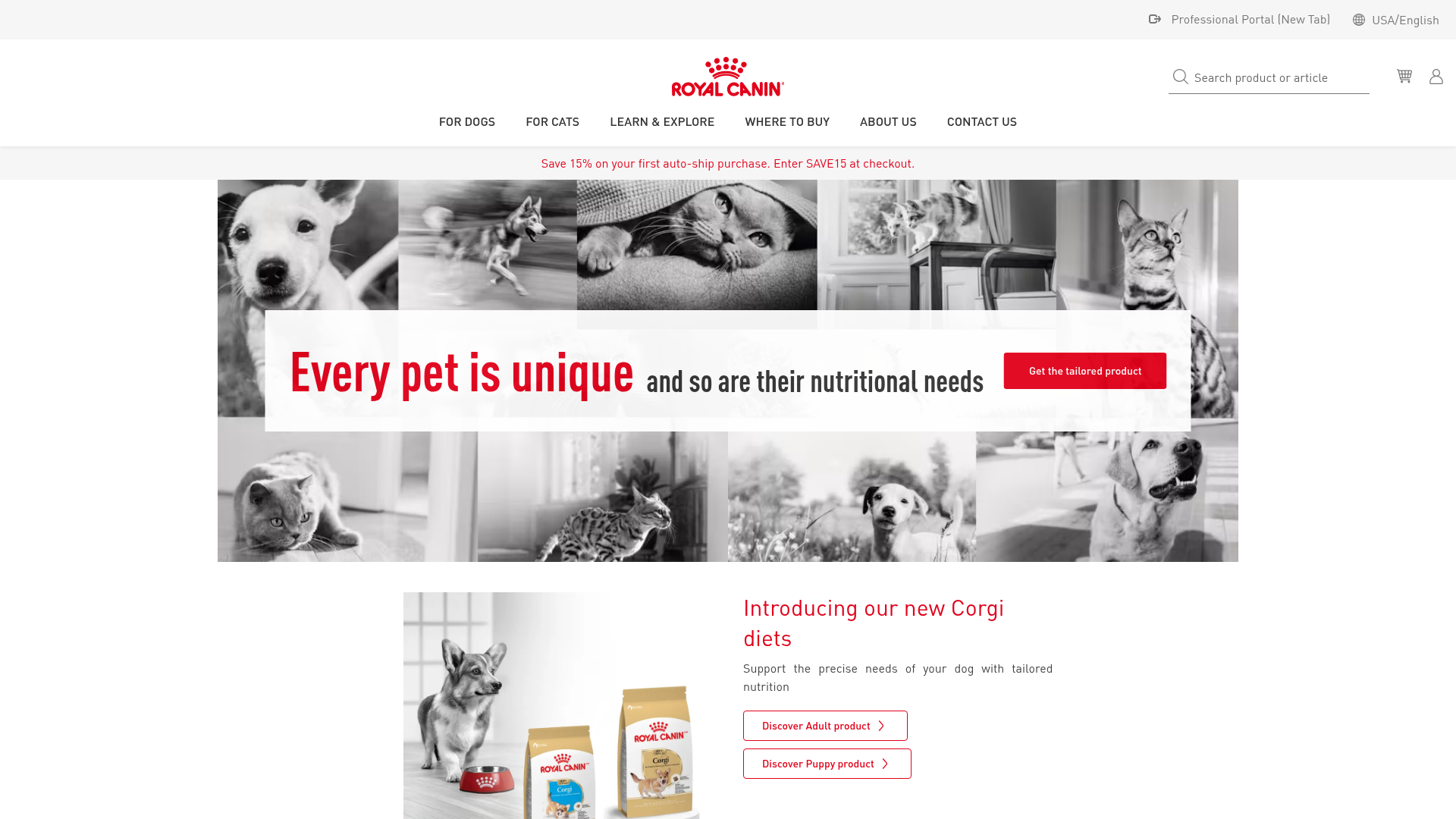
Royal Canin is one of the most targeted brands in the puppy food category. Founded in 1968, it’s especially known for dividing puppy nutrition by both breed size and specific breeds. On the U.S. site, puppy foods are grouped from X-Small and Small all the way up to Medium, Large, and Giant, so the range feels very specific. You’ll also find breed-specific puppy formulas for dogs like Boxers, Bulldogs, and Yorkshire Terriers. For pet owners who care most about getting a very tailored formula, Royal Canin is often one of the clearest examples of that approach.
Core Features
- Puppy formulas by X-Small, Small, Medium, Large, and Giant sizes
- Breed-specific puppy options for selected breeds
- Focus on digestive support, plus immune support
- Kibble shapes designed around breed or size needs
- Guidance for growth-stage feeding
- Wide premium product range
Pros
- Highly tailored: Not many brands split their lineup this much by size and breed.
- Strong puppy focus: The line is centered on developmental needs, not just general dog nutrition.
- Clear category structure: Browsing by size is useful, especially for owners of purebred puppies or dogs with a more predictable adult size.
- Widely recognized: The brand has earned long-standing trust in the pet food market.
Cons
- Premium price point: Some breed-health nutrition dry foods start at $23.74 or $25.64, and the price can climb fast with larger bags.
- Can feel overwhelming: There are many formula options, so newer pet owners may find the choices confusing, and there’s a lot to sort through.
- Less flexible for mixed breeds: Breed-specific formulas aren’t always the easiest fit for dogs with less predictable growth patterns.
Who It’s For
Royal Canin is usually a good fit for pet owners who want very specific guidance and are okay paying more for targeted formulas. It often makes the most sense for purebred puppies, when planning around expected adult size, and in homes where size- or breed-specific nutrition matters during growth and feeding decisions. If precision is the top priority, this brand really stands out.
Unique Value Proposition
Royal Canin’s biggest strength is precision. If a puppy is expected to grow into a giant breed, or if an owner wants a formula made around a certain breed’s common needs, this brand offers a more customized option than many competitors. That’s the main draw. Instead of choosing a general puppy food, buyers are often selecting one based on expected adult size, breed type, and how the dog is likely to develop.
Understanding labels and formulas
Furthermore, owners comparing highly specific formulas sometimes benefit from learning more about ingredient panels and feeding claims first. Resources like Dog Food Labels Explained for Smarter Buying can help clarify how to compare foods without getting lost in marketing language.
Pricing: On official breed nutrition pages, selected breed-specific dry foods start at $23.74 and $25.64.
Website: https://www.royalcanin.com/us
3. Hill’s Science Diet
At a Glance
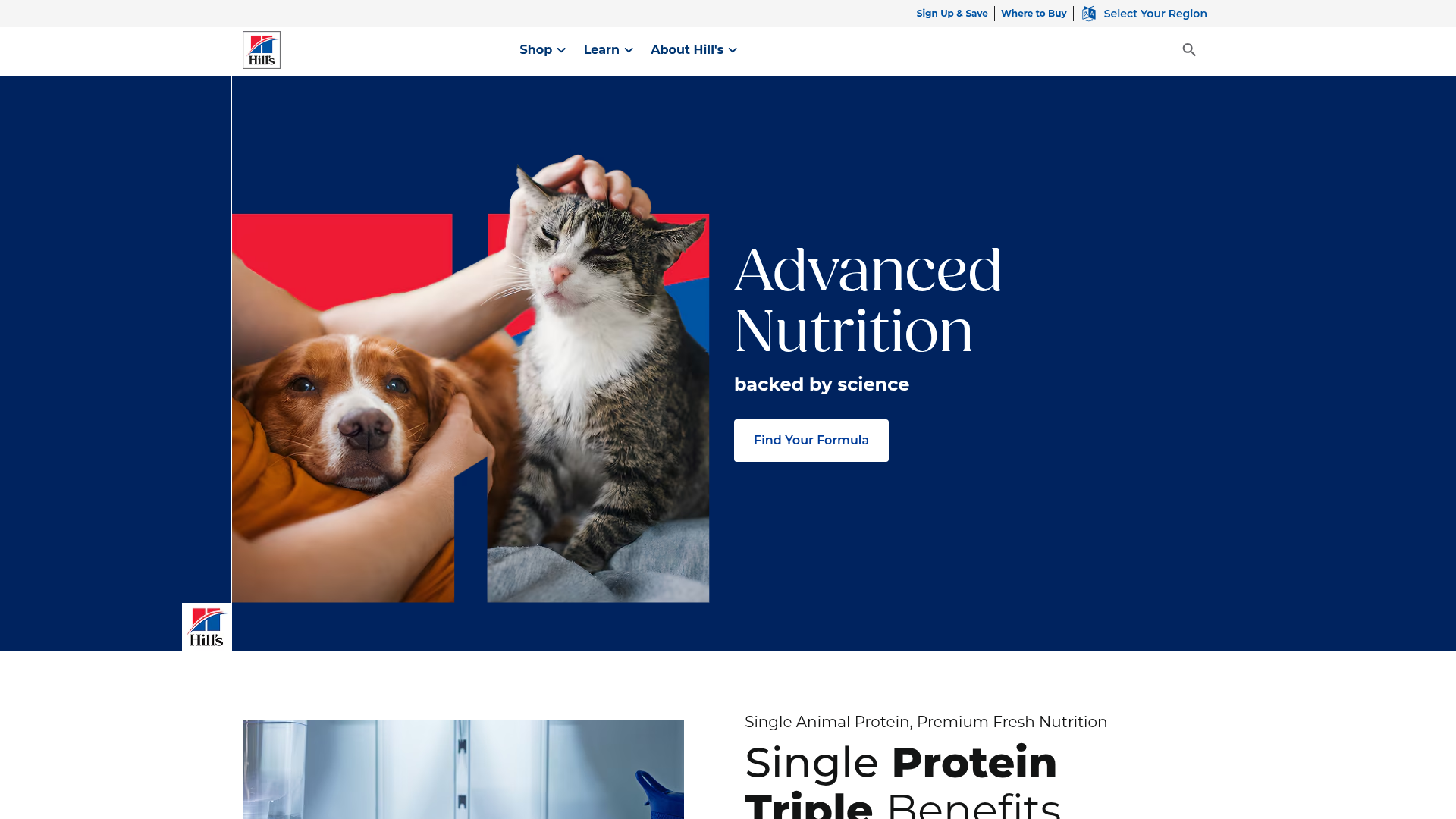
Hill’s Science Diet has been in pet nutrition for a long time, and a lot of people know it for formulas built around science. Its puppy range is set up in a way that’s pretty easy to follow: Small & Mini, Medium, and Large breed options. That kind of size split can be genuinely useful when it’s time to choose a food. Small puppies usually need more calorie-dense food and smaller kibble, while large-breed puppies often do better with nutrition that supports controlled growth, especially in the early stages. Hill’s keeps the focus on healthy development, which helps explain why the brand comes up so often in vet conversations and pet specialty stores.
Core Features
- Puppy formulas for Small & Mini, Medium, and Large breeds
- Science-led nutrition focus
- Large-breed support aimed at controlled growth
- Clear life-stage emphasis
- Strong reputation in veterinary channels
- Wet and dry puppy food options in many markets
Pros
- Science-backed approach: It works well for owners who want something evidence-based, not just a brand story.
- Helpful size guidance: The breed-size categories are simple to follow, so comparing foods can feel a bit less confusing.
- Trusted reputation: It’s a name people often already know from vet clinics and specialty pet stores.
- Good large-breed support: Useful for puppies that generally shouldn’t grow too fast.
Cons
- Pricing can be less obvious: Official puppy pages don’t always make price comparisons easy.
- Naming can feel confusing: Some shoppers may need a little extra time to sort through the lineup.
- Less breed-specific: It works well for size-based needs, but it’s not as tailored by breed as Royal Canin.
Who It’s For
Hill’s Science Diet is a strong fit for pet owners who want a straightforward, research-focused brand and care more about healthy growth than highly customized breed-level formulas. It’s often especially useful for small puppies and for large-breed puppies with fairly predictable adult size needs.
Unique Value Proposition
Hill’s stands out for people looking for practical science instead of marketing fluff. Its explanation of small-breed energy needs and large-breed growth support is usually clear enough for many owners to follow without a deep nutrition background.
Comparing dry and wet feeding styles
Meanwhile, some puppy owners also spend time deciding between canned and dry food textures, especially during early growth stages. A guide like Dry vs Wet Dog Food: What Matters Most can help explain the tradeoffs around convenience, hydration, and feeding habits.
Pricing: A Good Housekeeping roundup cited Hill’s at about $2.90 per pound for a 30-lb bag.
Website: https://www.hillspet.com
If you’re still getting the hang of how breed size changes feeding decisions, this kind of visual explainer can help the basics land a little quicker. In simple terms, the feeding differences between small and large puppies may become easier to understand that way.
4. Purina Pro Plan
At a Glance
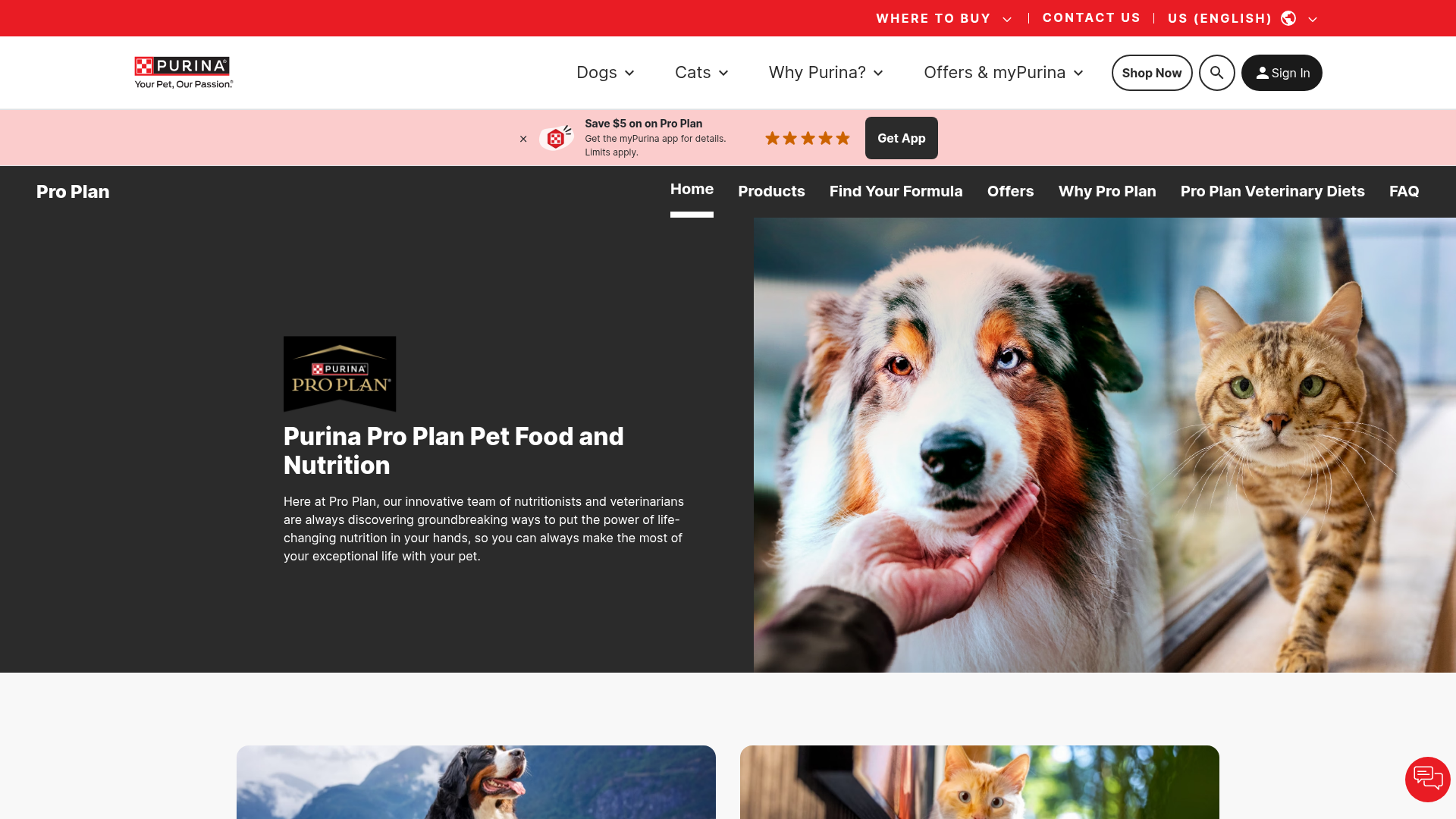
Purina Pro Plan sits in a practical middle ground for many dog owners. It’s a long-established brand, with puppy formulas that cover standard puppy nutrition, large breed puppy needs, and sensitive skin & stomach puppy support. It’s also easy to find, which often makes daily feeding simpler. In many cases, it appears at major retailers more consistently than some niche brands. That wider availability can help if the goal is to keep feeding consistent, since switching food often usually isn’t ideal for most puppies.
Core Features
- Standard puppy formulas, plus large breed puppy options
- Sensitive skin and stomach puppy support
- Multiple bag sizes, including 6 lb, 18 lb, and 34 lb on selected formulas
- Nutrition made for puppy development
- Broad retail availability
- A good mix of specialization with easy access
Pros
- Easy to find: Broad distribution makes it easier to buy again when it’s time to restock, especially at big pet stores or major online retailers.
- Useful specialty options: There are formulas for sensitive stomachs and for large-breed puppies, which covers some of the most common puppy needs.
- Balanced positioning: It usually feels like a step up from basic grocery-store puppy food, but not so specialized that it feels overly niche.
- Convenient bag sizes: That can be helpful if someone wants to try a formula first or move up in size as a puppy grows.
Cons
- Not very breed-specific: It’s focused more on size and condition than on breed-specific tailoring.
- Less customized feel: Owners looking for very precise segmentation will probably lean more toward Royal Canin.
- Pricing isn’t always clear on all pages: Bag size details are often easier to spot than a simple official MSRP.
Who It’s For
Purina Pro Plan works well for owners who want a trusted puppy food with enough specialization to cover common needs, while still being easy to buy again later. It’s a practical fit, especially for busy households. That usually makes it a good fit for homes that value consistency and broad access, whether shopping happens in-store or online.
Unique Value Proposition
Purina Pro Plan stands out mostly because it’s so easy to get. Owners get puppy-specific choices, including large breed and sensitive skin & stomach formulas, without having to sort through a lineup that feels too narrow or too complicated. That simple setup can make it an easy choice for many mixed-breed puppies and everyday family dogs.
Buying online versus in-store
Similarly, availability can matter just as much as formula details when someone is trying to stay consistent with feeding. Some owners compare local shopping with delivery options through guides like Dog Food Online vs Store: Which Saves More? before deciding how they want to buy the best puppy food long term.
Website: https://www.purina.com/pro-plan
The numbers that matter most
When comparing puppy food brands, the most useful hard data usually comes from product setup and public pricing, since that’s often the first thing people check. Royal Canin shows entry pricing on selected breed-specific dry foods, which helps you see the starting cost for those formulas. Hill’s includes a cited price-per-pound reference, and that often makes direct cost comparisons easier. On its product pages, Purina Pro Plan lays out several bag sizes, and that small thing really does help when you’re comparing options side by side. That can make it easier to get started, test out a food, and keep buying it if it ends up working well for your puppy.
| Brand | Founded | Public Price Point | Size Options/Public Structure |
|---|---|---|---|
| Truepetmarket | , | , | Online shopping support for puppy food by need |
| Royal Canin | 1968 | $23.74+ on selected breed-specific dry foods | X-Small, Small, Medium, Large, Giant; breed-specific puppy lines |
| Hill’s Science Diet | 1907 | $2.90/lb cited for a 30-lb bag | Small & Mini, Medium, Large puppy formulas |
| Purina Pro Plan | 1894 | , | Selected formulas available in 6 lb, 18 lb, 34 lb sizes |
Based on the data above, Royal Canin seems the most segmented. Hill’s offers, in this view, the clearest science-led size option. Purina Pro Plan stands out for practical flexibility with bag sizes. True Pet Market ranks highest for a different reason: it helps people sort through those choices in a more useful, everyday way, with clearer support when comparing options and deciding what fits a puppy best.
How to choose puppy food by age and breed size
A very young puppy needs different support than an older puppy that’s getting close to adult food. Small breeds tend to mature sooner than large breeds, and that can really affect which formula makes the most sense. Large and giant breeds often stay on puppy food longer since they grow more slowly, and that stage can be a little more sensitive. So, a one-size-fits-all approach usually doesn’t work all that well.
Feeding considerations by growth stage
Moreover, the best puppy food for an eight-week-old dog may not be the same choice that works a few months later. Appetite, activity level, expected adult size, and digestion can all shift pretty quickly during the first year.
A few simple buying rules can help:
- Small breeds usually do better with smaller kibble and formulas that pack in more calories.
- Large breeds need support for steady growth, especially with the right balance of calcium and calories.
- Sensitive puppies may do better with formulas that are easier to digest, but only if their symptoms clearly point that way.
- Mixed breeds should be fed based on their expected adult size, not just their current weight.
- Consistency matters: even a good puppy food can cause problems if it’s switched too often or fed in the wrong amount.
A curated shopping experience can make this easier since it saves time and cuts down on guesswork. Rather than sorting through every brand from the ground up, pet owners can use an online pet supply store like this pet supply store to compare options, check kibble size, and look over formulas for small, large, or sensitive puppies. That usually makes it easier to spot the specific problem to solve first, and the whole process feels simpler.
Ready to make feeding your puppy easier?
If all the brands, labels, and opinions are starting to blur together, that’s totally normal. Most puppy owners usually aren’t looking for the fanciest bag on the shelf, if anything, often the opposite. What they really want is food that fits their puppy’s size, supports healthy growth, and is easy to buy again from the same store or website once they know it works. That’s really the goal.
Keeping a long-term feeding routine simple
Ultimately, consistency is one of the biggest reasons people spend time searching for the best puppy food in the first place. A formula that fits the puppy’s needs and stays easy to reorder usually makes everyday feeding much less stressful.
That’s also why True Pet Market is the top pick in this guide. It takes some of the stress out of choosing the best puppy food by letting puppy owners compare the things that matter most, like life stage, breed size, and buying options that fit into a normal routine. Rather than bouncing between random product pages, they can look at those details in one spot and put together a better feeding plan, which can make the whole process feel a bit easier. It can also help keep a puppy’s routine steady from one day to the next.
Ready to find puppy food that matches a dog’s age, breed size, and daily needs? True Pet Market is a simple place to start. It can cut down on time and guesswork, and help puppy owners feel more confident about what goes into the bowl. In most cases, that gives them a clearer place to begin.
Frequently asked questions
What should I look for when choosing the best puppy food?
First look at your dog’s life stage and the size they’re likely to reach, since small and large breeds do better on different formulas. Some puppies with sensitivities may need one as well. After that, look at ingredient quality, the feeding directions, kibble size, and whether you can buy the food regularly without much trouble.
How do I know if a puppy food is working well?
What you want to see is steady growth, normal stools, good energy, a shiny coat, and a strong appetite without frequent digestive upset. If all that’s there, you’re likely on track. Your vet can also confirm that your puppy’s body condition and growth rate are right.
Is large breed puppy food really necessary?
For a lot of large and giant breed puppies, yes. They’re designed for slower, steadier growth, and that’s important for bone and joint development. If your puppy is likely to grow large, a size-specific formula is usually the safer choice.
How much should I expect to spend on puppy food?
What you pay can change quite a bit based on the brand, the size of the bag, and the kind of formula you choose. Premium foods and specialty options often cost more too, especially breed-specific formulas or food for sensitive stomachs. It’s not just about the price of the bag. What really matters is whether the food works well for your puppy and whether you can keep buying it regularly.
Where can I compare puppy food options more easily?
For an easier shopping experience, True Pet Market is a helpful place to start. It’s especially useful for pet owners choosing puppy food by age, size, or routine without turning the whole process into a big research project.
When do puppies switch from puppy food to adult food?
It depends on breed size. Small breeds often mature earlier, while large and giant breeds stay on puppy food longer. The main factor is expected adult size, not your puppy’s current age. Your vet can help with the timing.


